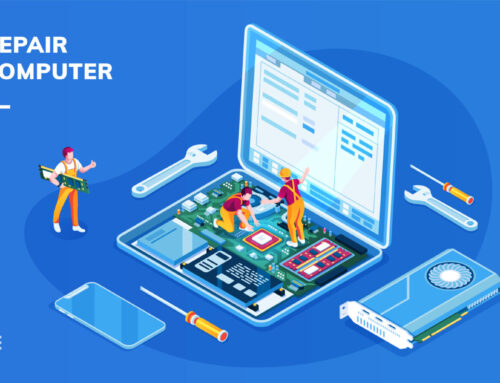

5 Computer Maintenance Tips From Repair Experts That Actually Work

Why Computer Maintenance Tips Matter
Computers and other electronic devices have become central to work, communication, and entertainment, which means an unexpected slowdown or breakdown can throw off your whole day. Like any machine, a computer needs regular upkeep to keep running well. These computer maintenance tips, gathered from experienced service technicians, cover the habits that actually make a measurable difference: cleaning, updates, backups, storage management, and knowing when to bring in a professional.
Tip 1: Regular Cleaning and Dusting
Dust build-up is one of the most common, and easiest to prevent, causes of a struggling computer. Debris trapped around fans and vents blocks airflow, forces the system to run hotter, and can throttle performance over time. Wipe down your keyboard and screen regularly, and if you’re comfortable opening the case, use compressed air to clear dust from the internal components every few months. On a laptop, the same idea applies to the vents and hinge area. Keeping your device clean is one of the simplest computer maintenance tips there is, and it costs nothing but a few minutes.
Tip 2: Software Updates and Security Patches
Operating system, application, and driver updates aren’t just about new features. They patch the security holes attackers rely on and often fix the bugs behind random freezes or crashes. Turn on automatic updates where you can, and set a reminder to check manually for anything that doesn’t update itself, especially drivers for graphics cards and other peripherals. Skipping updates for months at a time is one of the fastest ways to undo every other maintenance habit on this list.
Tip 3: Backup Your Data
Hardware failure, accidental deletion, and malware can all wipe out years of files in seconds, usually with no warning beforehand. Keep at least one backup outside the device itself, whether that’s an external drive, cloud storage, or dedicated backup software, and check occasionally that the backup is actually current rather than just running. If a technical fault or ransomware attack ever does happen, a recent backup is the difference between a minor inconvenience and a genuine loss.
Tip 4: Optimize Storage Space
A cluttered drive doesn’t just run out of space, it slows down everyday tasks like booting up, searching files, and even installing updates. Periodically uninstall programs you no longer use, clear out temporary files, and organize what’s left into folders you’ll actually use. Built-in disk cleanup tools can automate most of this, and freeing up space on an SSD in particular helps it maintain full read and write speed.
Tip 5: Professional Check-ups and Maintenance
Some issues are easy to handle yourself; others need a trained eye. A computer service center can diagnose problems that aren’t obvious from the outside, such as failing hardware, malware that’s hiding rather than announcing itself, or a battery degrading faster than it should, and fix them before they turn into a full breakdown or data loss. Scheduling a check-up every so often, rather than waiting until something stops working, is the one habit on this list that catches problems the other four can’t.
Bonus: Quick Habits That Reinforce These Computer Maintenance Tips
- Avoid overloading your device. Too many programs running at once will slow everything down, even on capable hardware.
- Close programs fully when you’re done with them rather than leaving them running in the background.
- Only install software you actually need. Every extra program uses drive space and system resources.
- Keep your devices in a cool, dry place. Heat and moisture are two of the fastest ways to damage internal components.
How to Check Your Device’s Performance
Before you assume a device needs professional attention, it helps to check its performance objectively rather than going on a hunch:
- Run a benchmark tool such as PassMark PerformanceTest, Geekbench, AnTuTu Benchmark, 3DMark, or PCMark. These test your device’s CPU, memory, graphics, and storage performance and give you a score you can compare against similar devices.
- Open a few demanding applications at once and watch how the device handles them. Noticeable lag is a sign performance has slipped.
- Try a graphics-intensive game or video task. Stuttering or dropped frames point to the same thing.
- Check CPU and memory usage in Task Manager or Activity Monitor. If either is consistently maxed out, closing unused background apps is often the quickest fix.
Conclusion
Working these five computer maintenance tips into a routine, regular cleaning, timely updates, consistent backups, storage upkeep, and periodic professional check-ups, makes a real difference in how long a device lasts and how well it performs along the way. None of them require special expertise, and together they catch most of the problems that would otherwise show up as a sudden breakdown. A well-maintained computer isn’t just a device, it’s a tool you can actually rely on.
Running a Repair Shop? Here’s the Business Side of These Habits
If you run a computer service center, the maintenance discipline your customers should practice at home is also the discipline your shop needs to run profitably. Every device that comes in for cleaning, a software fix, or a hardware check-up has to be tracked from intake to pickup, which is exactly what dedicated computer repair shop software is built for. Instead of relying on a paper job sheet, proper repair ticket software logs the device, the reported issue, the technician assigned, and the parts used, so nothing gets lost during a busy week. BytePhase handles this along with automated customer updates and straightforward invoicing, and you can try the full platform free for 15 days to see whether it fits how your shop actually works.