
B2B Repair Contracts: How to Win and Manage Corporate Clients Profitably
What Are B2B Repair Contracts, and Why Do They Matter?
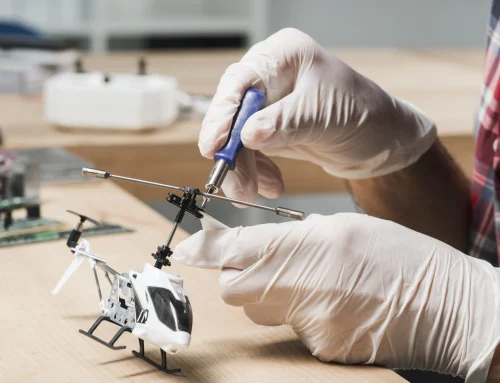
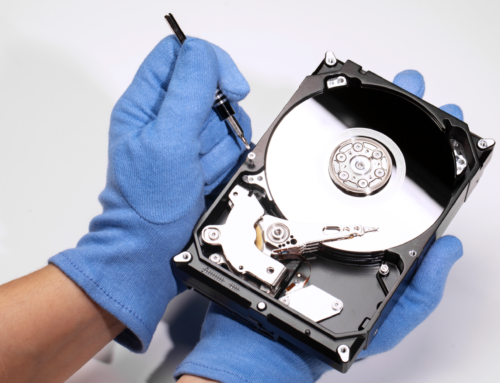
Most repair shops live off individual, walk-in customers. That’s fine for volume, but it’s unpredictable — some weeks are full of drop-ins, others are dead quiet. B2B repair contracts flip that around. Instead of one broken phone at a time, you’re servicing a fleet: the laptops in a school’s computer lab, the POS terminals across a retail chain, the printers and phones in a corporate office. Companies, schools, and offices with device fleets all depend on technology that eventually breaks, and every one of those devices needs repair, maintenance, or parts.
A well-structured B2B repair contract gives your shop steady, recurring revenue instead of chasing the next walk-in. But winning the deal is only step one — managing it well, with clear SLAs, predictable invoicing, and renewal dates that don’t slip through the cracks, is what keeps a corporate client for years instead of one contract cycle.
Why B2B Repair Contracts Are a Goldmine for Your Shop
Think about what shifting some of your focus to business repair contracts does for your shop:
- Predictable Revenue: Instead of relying on unpredictable walk-ins, a signed contract provides a steady, scheduled income stream, making financial forecasting easier.
- Higher Volume, One Relationship: A single corporate client might bring in dozens or even hundreds of devices for repair in a year — a school alone can have an entire computer lab to maintain.
- Higher Margins: B2B pricing can often be negotiated for better margins, especially on a per-device basis for volume work.
- Reduced Marketing Costs: Once you secure a contract, customer acquisition costs drop to almost zero for that client — you’re servicing, not selling, for the length of the agreement.
Understanding What Corporate Repair Clients Actually Need
To win corporate repair clients, you have to solve their problems better than a spreadsheet and a shared inbox ever could. Their main concerns are:
- Minimizing Downtime: Their devices are business tools. Every hour a laptop or POS terminal is down costs them money, so response-time expectations matter more here than with a walk-in customer.
- Clear, Itemized Billing: They need professional invoices their finance team can process without follow-up questions — GST details included, since almost every Indian business client expects a compliant, itemized bill before releasing payment.
- Accountability & Transparency: They need a clear record of who submitted which device, what was done to it, and when it came back.
- Streamlined Logistics: They need a simple, efficient process for dropping off and picking up multiple devices at once, not one ticket at a time.
How to Pitch Businesses on a B2B Repair Contract
You can’t wait for corporate repair clients to walk in — you have to proactively go to them.
- Identify Your Target: Start local. Schools and colleges with computer labs, co-working spaces, retail chains with POS hardware, real estate and accounting offices, and any business running a fleet of laptops, phones, or printers are all realistic first targets.
- Create a Professional Pitch Deck: Highlight your turnaround times, your technician expertise, and — most importantly — the system behind you. Corporate buyers want proof you can handle volume and accountability, not just a friendly counter.
- Offer a Trial Run: Propose a free diagnostic for a handful of devices, or a discount on the first batch of repairs. This is how a cold pitch turns into a signed AMC.
- Tailor Your Services: Propose terms that solve their specific pain points — priority scheduling, on-site diagnostics for larger fleets, or a pickup/drop-off service for offices that can’t spare staff time to visit your shop.
Structuring AMC and Recurring B2B Repair Contracts
Most long-term business repair contracts take the form of an AMC — an annual maintenance contract that bundles a fixed number of devices, a service window, and a renewal date into one agreement. Before you pitch a number, decide what the AMC actually covers:
- Device count and type: exactly which laptops, POS terminals, printers, or phones are covered, and what happens when the client adds new devices mid-term.
- What’s included vs. billable: routine servicing and minor repairs might be included in the AMC fee, while parts replacement or major repairs are billed separately — spell this out so there’s no dispute at invoice time.
- Visit or check-up frequency: a preventive-maintenance schedule (quarterly check-ups, for instance) reads as far more professional than “we’ll fix it when it breaks.”
- Renewal terms: the contract length, notice period, and what triggers automatic renewal versus a fresh negotiation.
Track your AMC contracts for business clients in one place, attached to the client’s account, rather than in a separate folder or spreadsheet — that’s the only reliable way to know, at a glance, which contracts are active, which devices they cover, and which ones are coming up for renewal.
Setting SLAs Corporate Repair Clients Can Rely On
An SLA doesn’t need to be a legal document to be effective — it needs to set expectations both sides can actually meet. At minimum, put in writing:
- Response time: how quickly you’ll acknowledge a new repair request and give a diagnosis, even if the repair itself takes longer.
- Turnaround expectations: a realistic window for common repairs, with a separate expectation for anything needing an ordered part.
- Escalation path: who the client contacts if a job is running late, so it doesn’t turn into a string of unanswered calls.
- Reporting cadence: a monthly or quarterly summary of devices serviced, costs, and recurring issues — this is what lets a corporate client justify the contract internally.
Under-promise here. A B2B client who gets exactly what you committed to, every time, renews. One who gets an SLA you can’t consistently hit will shop the contract elsewhere at renewal.
Winning a B2B repair contract is just the beginning — the real test is managing it well after the ink is dry. A generic spreadsheet and a shared inbox won’t survive a client with fifty devices and three contacts. You need repair shop management software built to handle multi-device, multi-contact corporate accounts, and this is where BytePhase closes the gap.
1. Client-Specific Pricing & Batch Processing
- The Problem: B2B clients get negotiated pricing, and you need to manage multiple devices under a single client account without forty separate tickets.
- The BytePhase Solution: Set up client-specific pricing rules for individual business accounts, and create a single batch for an entire drop-off of devices — intake, tracking, and billing stay tied together instead of scattered across separate jobs.
2. B2B Invoicing With GST Fields, Done Right
- The Problem: A corporate client’s finance team won’t process a hand-written or non-compliant bill — invoices need proper GST details and itemization before payment gets approved.
- The BytePhase Solution: Generate GST-compliant, itemized invoices with your business details on them, and record payments — UPI, PhonePe, card, or bulk payments across a whole batch of devices — against the right client account. No manual rework before it reaches their books.
3. Dedicated Client Portals & Professionalism
- The Problem: Corporate clients need a central place to track all their repair requests and view historical data without constantly calling you.
- The BytePhase Solution: Your B2B clients get a dedicated portal where they can submit new requests, view the real-time status of their devices, and access a full history of all repairs, invoices, and service notes. This level of transparency builds incredible trust.
4. Simplified Communication & Task Management
- The Problem: Keeping multiple contacts within a corporate client updated is a challenge.
- The BytePhase Solution: You can link multiple contacts to one company account. BytePhase’s automated notifications ensure the right people are updated when a device status changes. You can also assign technicians to specific B2B jobs, ensuring consistent service.
5. Reporting for Accountability
- The Problem: Corporate clients need to report on their tech spending and device health.
- The BytePhase Solution: BytePhase’s reporting features allow you to generate comprehensive reports for your B2B clients, detailing costs, repair types, and device history. This helps them manage their assets and proves your value.
6. Loaner Device Management (for Minimizing Downtime)
- The Problem: For a B2B client, every minute of device downtime is costly. Offering loaner devices is a huge selling point.
- The BytePhase Solution: BytePhase has features to track loaner devices, ensuring you know which client has which loaner and when it needs to be returned.
7. Keeping AMC Renewals From Slipping
- The Problem: A missed AMC renewal date is how B2B contracts quietly die — the client doesn’t cancel, the relationship just lapses because nobody flagged it in time.
- The BytePhase Solution: AMC management keeps contract start and end dates attached to the client’s account alongside their device history, so renewal dates live in the system your team already checks every day — not in someone’s memory or a sticky note.
Make the Strategic Leap Into B2B Repair Contracts
Shifting toward business repair contracts is a strategic move that trades unpredictable walk-in traffic for stability, better margins, and room to grow. It’s about proving your repair shop is more than a place to fix a cracked screen — it’s a professional partner that schools, offices, and companies with device fleets can rely on for as long as the contract runs.
BytePhase gives you the repair contract management foundation to back that promise up: client-specific pricing, GST-ready B2B invoicing, AMC tracking, and a client portal that keeps every corporate account transparent. Start a 15-day free trial and set up your first B2B client account today.